
10x more productivity at DoCoMorealization. Co-creation of internal data utilization is localized to the Japanese market | US Alation ✕ NTT Docomo Ventures
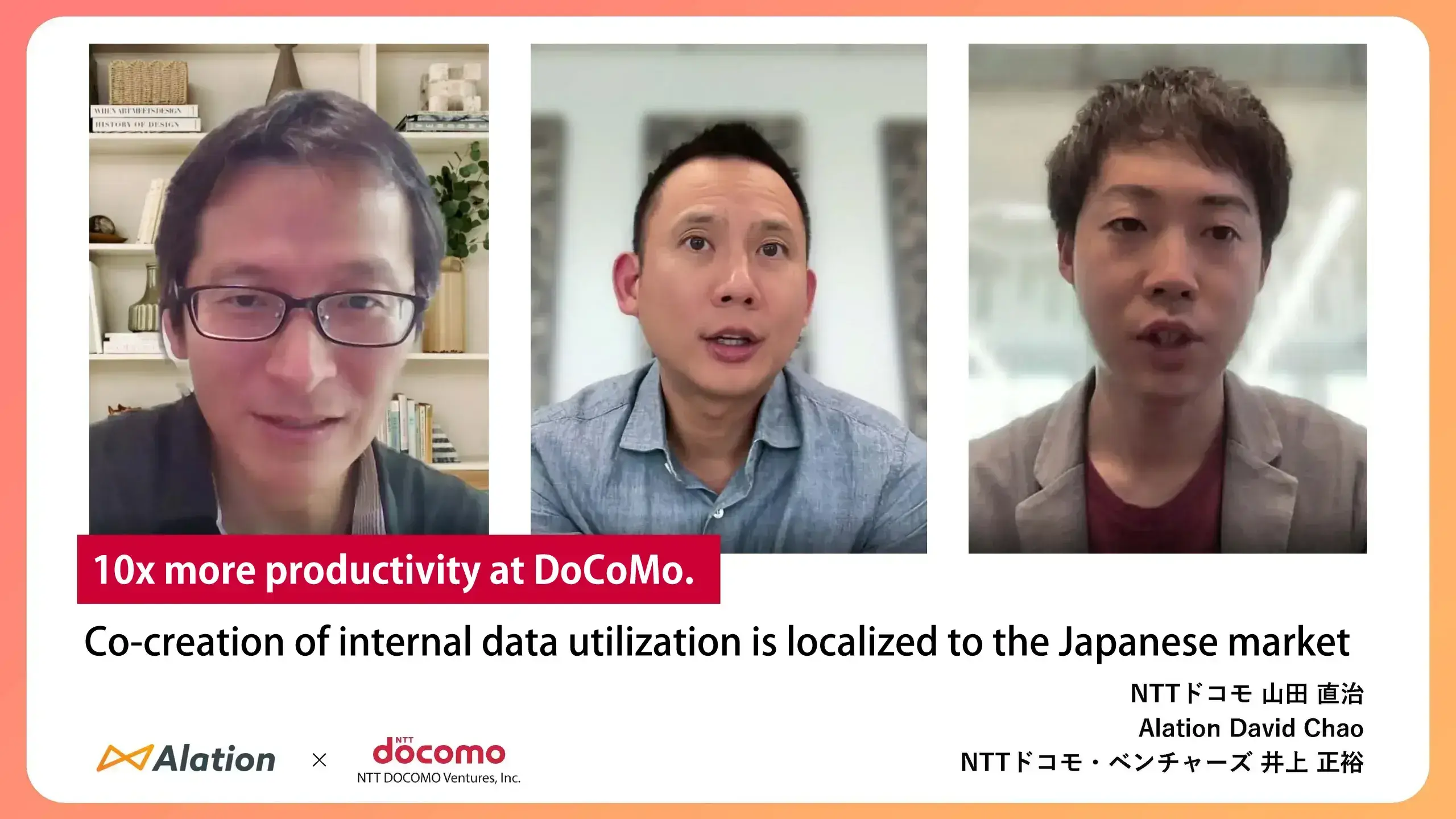
In 2023, NTT Docomo Ventures, Inc. (hereinafter referred to as “NDV”) willDevelop a data intelligence platform Alation, Inc.(hereinafter referred to as “Alation”)announcement I did. Alation is a product that greatly reduces the effort required to find and analyze the vast amount of data that is increasing within a company, helping to improve productivity. What attracted NDV to Alation, why did it decide to invest, and what kind of co-creation has it built with NTT Group? We catch up with David Chao of Alation, Naoharu Yamada of NTT Docomo, Inc. (hereinafter referred to as "NTT Docomo"), and Inoue of NDV, who is in charge of investing in Alation in Silicon Valley.
*Hereinafter, when referring to a company, we will use "Alation" and when referring to a service, we will use "Alation."
Productivity of data analysts at NTT DoCoMo has increased by 10 times
── First,To alationPlease tell me about it.
David(Alation):
Alation is a data intelligence platform that helps businesses understand and trust their data.

David(Alation):
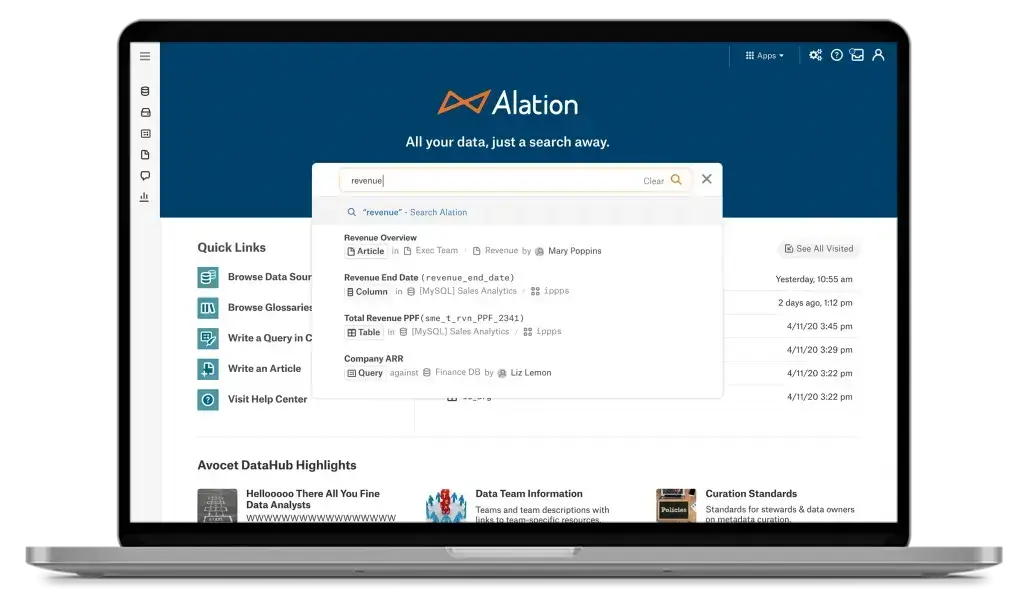
Large organizations have a tremendous amount of data across various systems. As a result, whether you're a data analyst or an executive trying to make better data-driven decisions, it's difficult to make decisions about what data to use and whether you can trust this data. Alation willhelp you solve these problems.
── What are the benefits for customers who use Alation?
David(Alation):
Alation is mainly used directly within the company.I'm a data analyst. With Alation, they will be able to find data more easily than ever before. Collaboration requests from non-analysts are also made easier. For example, you might ask, "Is this data accurate?" or "Can you help me understand this dataset?" Once you have a dataset, you can reuse it and share it with other colleagues within your organization.
Looking at Alation's customers, overall data analyst workloads have been reduced and productivity has increased. At NTT Docomo, for example, the workload of data analysts has been reduced by 30%, and data analyst productivity has increased 10 times. Another value of Alation is that it makes it easier for executives to access data that helps them make strategic decisions.
── Alation also borrowed the help of NTT Docomo,We are also entering Japan. Are there any differences between Japan and other countries?
David(Alation):
Alation now has around 600 customers worldwide, mostly in North America, Europe and Australia, but in recent years has expanded into the Asia-Pacific region. We are currently in the process of localizing the product in Japan.
Every market has its own unique characteristics, so when entering a new market you must always empathize with and understand your customers. I can say that we are still learning what is best for the Japanese market.
Alation typically helps large companies with large amounts of data to solve problems. Because these companies are large, they are typically risk-averse and want to choose proven technologies. Particularly in Japan, a company's implementation track record is important in building trust, which is why having a partner like NTT Docomo is so important and we are grateful for our partnership. In terms of investment, we have a really strong foundation in NTT Docomo Ventures.
Alation was able to solve the problem of discovering and using huge amounts of data.
── Please tell us about the encounter between NDV and Alation.
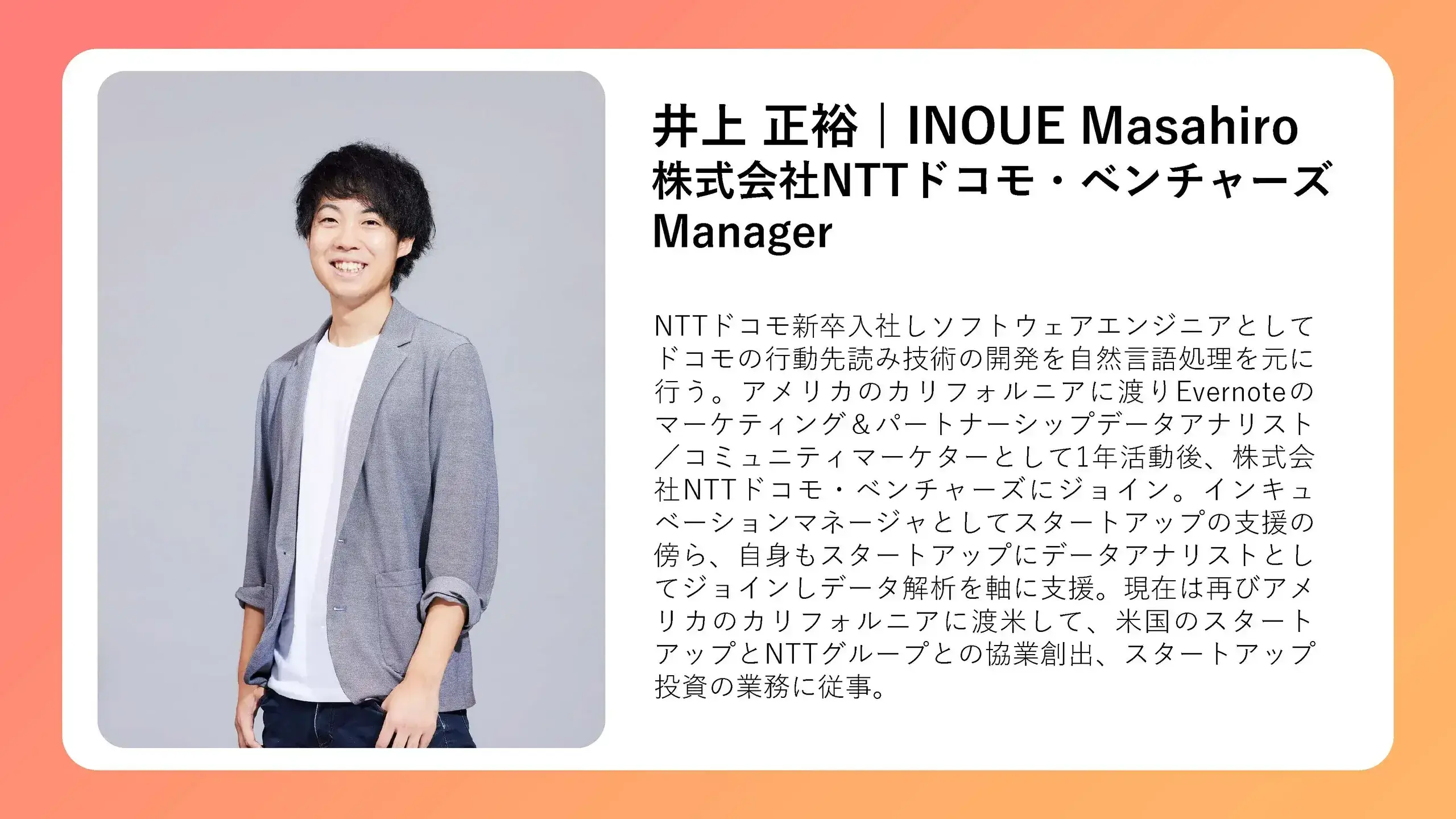
Inoue (NDV):
About two years ago, I was looking for a service that could improve data analysis productivity at NTT Docomo. So, as I continued my research, I learned that many companies in the United States were using Alation. I remember being very excited when I looked at Alation's marketing materials and saw how satisfied all their customers were with Alation.
So we had many discussions with Alation about introducing it. There are differences between Japan and the US, and we had to adapt it to NTT Docomo's unique environment, so it was a painstaking process (lol). However, the company patiently continued to make proposals, and in the end, we were able to introduce Alation to NTT Docomo.
── Please tell us more about NTT Docomo's challenges before introducing Alation.
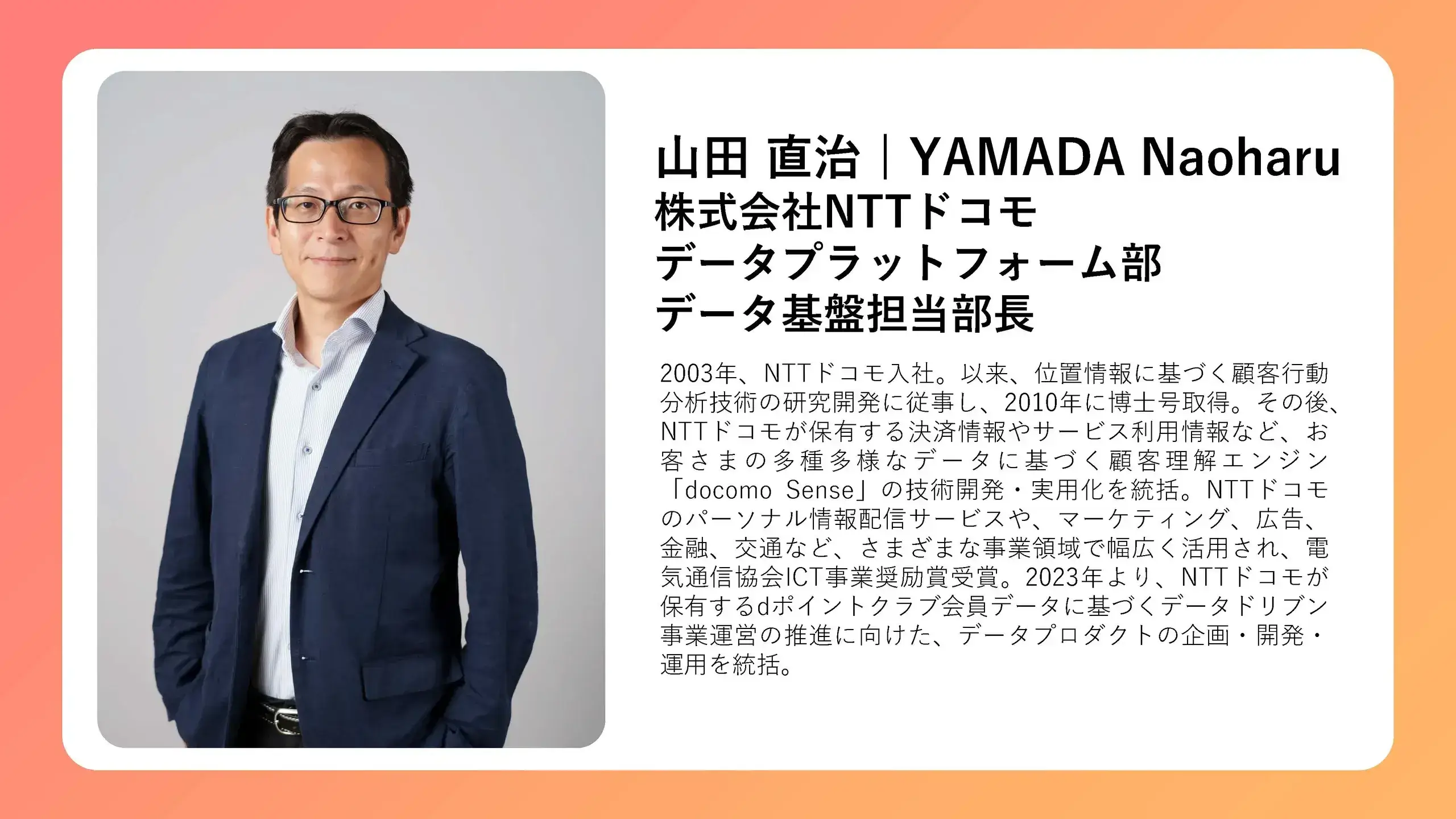
Yamada (NTT Docomo):
Currently, NTT Docomo has over 100 million d Point members, and in addition to communication services, it provides a variety of services such as the payment service ''d Payment'' and the entertainment service ''d Anime.'' Since Yoshiaki Maeda was appointed as NTT Docomo's representative director and president in 2024, he has been promoting initiatives to maximize the customer experience of d Point members, with the keyword "customer-centered business operations." In order to further advance this initiative, it is essential to make cross-sectional use of customer behavioral data obtained through each service.
Yamada (NTT Docomo):
The biggest challenge in this process was "discovering data." Various services generate a variety of data, and the company is overflowing with a huge amount of data with different table configurations and data specifications. Therefore, it was extremely difficult for people who were not involved in the service to find data on other services.
In fact, NTT Docomo had introduced other data catalog tools before introducing Alation. But even with this tool, data remained extremely difficult to discover. Therefore, if you wanted data, you had to ask someone who was familiar with the service, ''Please give me the payment data for d Payment,'' one by one. This is too personal and does not democratize data utilization.
So, in order to solve this data discovery problem, we were introduced to Alation, and we decided that it could solve the above problem, and after a PoC, we decided to introduce it.
── NDV is also investing in Alation in 2023. First of all, are there any differences in NDV investment policies between Japan and the US?
Inoue (NDV):
As a CVC, our investment policy is not much different between Japan and the US, and we look at both strategic and financial returns. If there is a difference, it is that the IPO environments in Japan and the US are very different, so financial evaluations tend to be more severe in the US. Therefore, in the United States, we can only invest in top-class companies. Alation was in good financial shape, and after seeing the successful introduction of Alation to NTT DoCoMo, we decided to invest because we wanted to deliver Alation to all Japanese companies. In the future, we would like to actively sell Alation in the Japanese market and provide many companies with the productivity improvements that NTT DoCoMo has experienced.
Japanese localization as co-creation. Generative AI holds the key to the future
── What do you think of the results of implementing Alation?
Yamada (NTT Docomo):
First, we were able to reduce the time it took to discover data, which was our biggest challenge, by 30%. After discovering data, we have shortened the analysis work required to analyze it and take measures that will improve the customer's customer satisfaction from 10 hours to 1 hour. In other words, productivity has increased by 10 times (or more) with Alation.
Yamada (NTT Docomo):
However, this result was not achieved simply by introducing a tool called Alation. We believe that the fact that we visited the American headquarters, exchanged opinions, and shared our mutual direction and roadmap greatly contributed to the success of the implementation.
David(Alation):
That's right. I believe that the key to the successful implementation was that we were able to discuss the implementation patiently. The results that NTT DoCoMo has achieved as a result of these efforts are truly amazing.
Yamada (NTT Docomo):
Furthermore, when introducing Alation to NTT Docomo, we focused on the perspective of ''co-creation'' rather than simply introducing it. In particular, Alation had not done any Japanese localization at that time, so it was beneficial to work on that process together. It is difficult for Japanese people to use services if they only speak English. I believe that the secret to the success of the introduction was that we were able to make small adjustments through co-creation to make it easier for Japanese people to understand.
By the way, we have translated not only the service itself into Japanese, but also the training program. This has increased the use of Alation, resulting in more use of the service within the organization.
David(Alation):
At Alation, through co-creation, we tried to think of ourselves not just as a technology vendor, but as a business partner to realize NTT Docomo's results. Over the past two years since we met, I think we've had a really active dialogue, and we've been able to work together to achieve common goals.
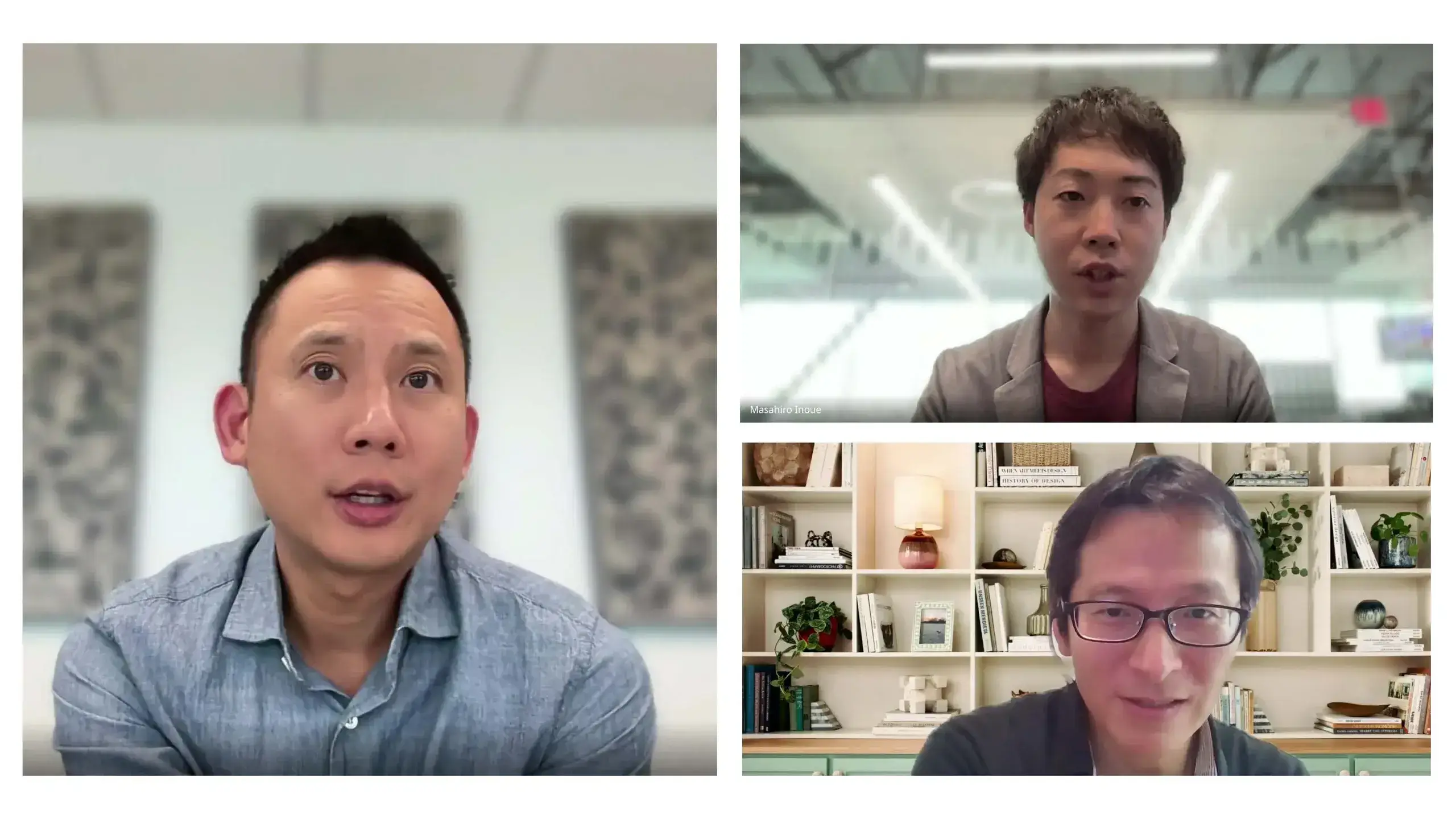
── One year has passed since the investment. Please let me know if there are any gaps between what you thought before the introduction and after the introduction.
Yamada (NTT Docomo):
The gap in a good sense was that it was easier to use than I expected. The good user interface makes it really easy to discover data. The result of increasing productivity by 10 times was more than I expected. I remember being surprised by the know-how for utilizing data, such as being able to not only find data but also share it within the organization, including the SQL to extract that data.
David(Alation):
I am very happy to hear such words. We hope to continue to provide such positive surprises in the future.
── Do you have any ideas for future developments from the perspective of co-creation?
David(Alation):
to JapanThe localization journey continues. For example, currently our help manual is written in English, but translating that document would also be beneficial to our Japanese users. There are also local user groups for Alation in other countries. This is an exciting gathering to share customer best practices and learn from each other. I'm excited to think that if the number of Japanese customers increases in the future, we might be able to build a community like this in Japan as well.
Yamada (NTT Docomo):
In the future, in terms of product updates, it will become important for even employees who are not data literate to be able to easily use data and utilize it in their own work. Currently, over 3,000 people within our company are already using Alation at least once a month, but we would be happy if the product could be easily used by people other than them.
In that sense, I think generative AI will become an important point in the future. Now, for example, if I want to know the average payment amount of interest payments for women in their 20s last month, I go to see the payment amount and table for d payment. However, if you can use generative AI to write in natural language, ''Please tell me the average payment amount for d-payments for women in their 20s last month,'' and the answer pops up, there is no doubt that the number of users of Alation will increase. I would like to see such a world come true.
David(Alation):
It is true that there has been a lot of interest in generative AI in recent years. These changes have brought new users to Alation, as when creating AI models, companies first seek to discover the data to build the models.
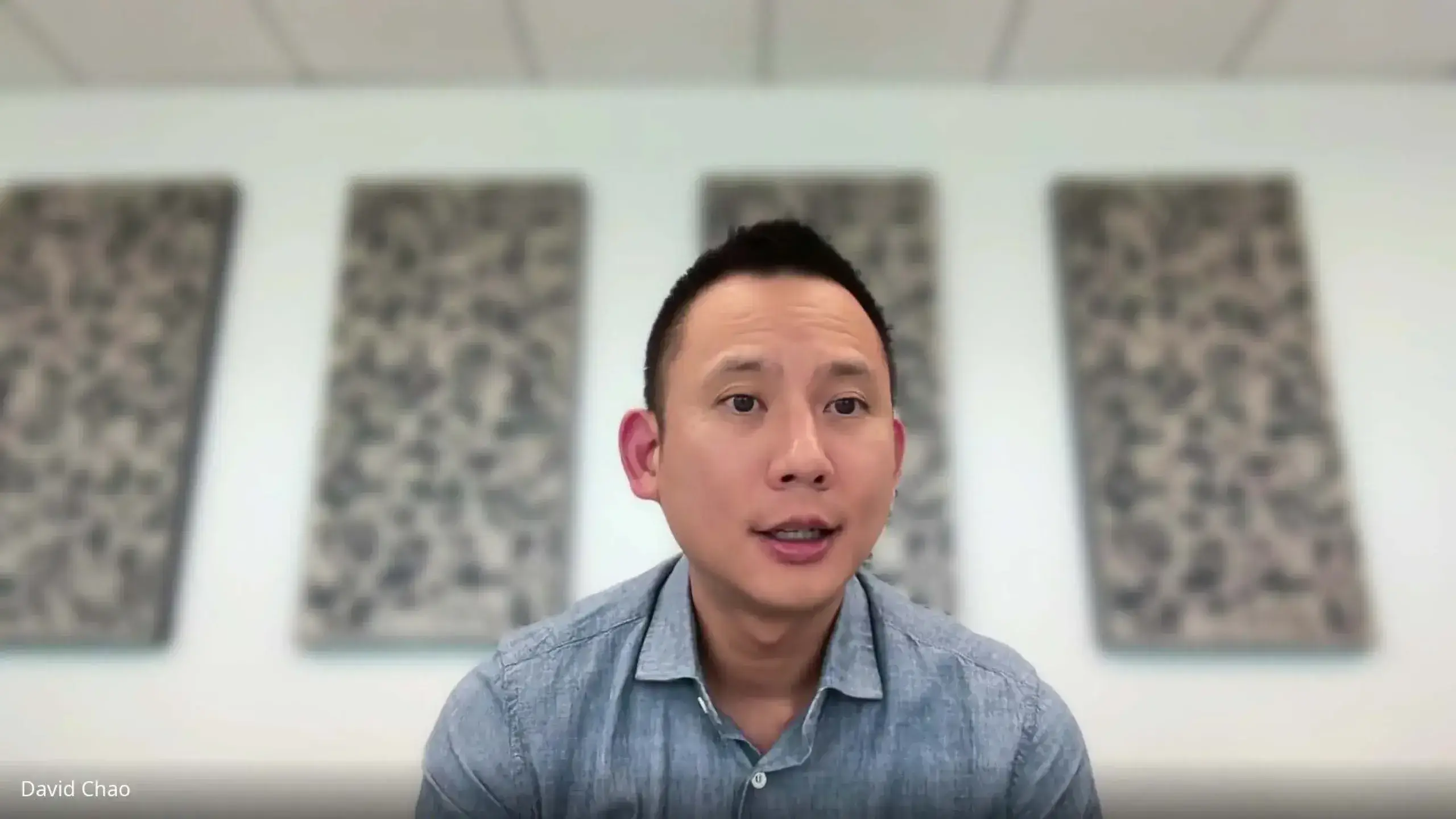
David(Alation):
Additionally, many data teams are starting to want greater visibility into the governance of the AI work being done within their organizations. Therefore, Alation plans to release a new AI governance solution during this period. This not only helps data teams understand and document which AI models are used within the organization, but also helps them understand which datasets are used to train the AI models. Helpful. This will ensure that the right data is used and that sensitive data is not leaked through the AI model.
Similar requestsWe receive messages not only from Japan but also from overseas. I would like to actively invest in this area.
Inoue (NDV):
again,I feel that NDV and NTT DoCoMo are great partners for Alation in terms of localizing Alation and expanding the Japanese market. NTT Docomo's example of productivity improvement with its advanced data stack should have a major impact on the introduction of Alation by other companies, and will also contribute to NTT Docomo's sales of Alation in the Japanese market.
In the future, I would like to further accelerate co-creation between the two companies and increase the productivity of Japanese companies' data utilization.
── Thank you very much, Mr. David, Mr. Yamada, and Mr. Inoue for today.
(Production: pilot boat)